
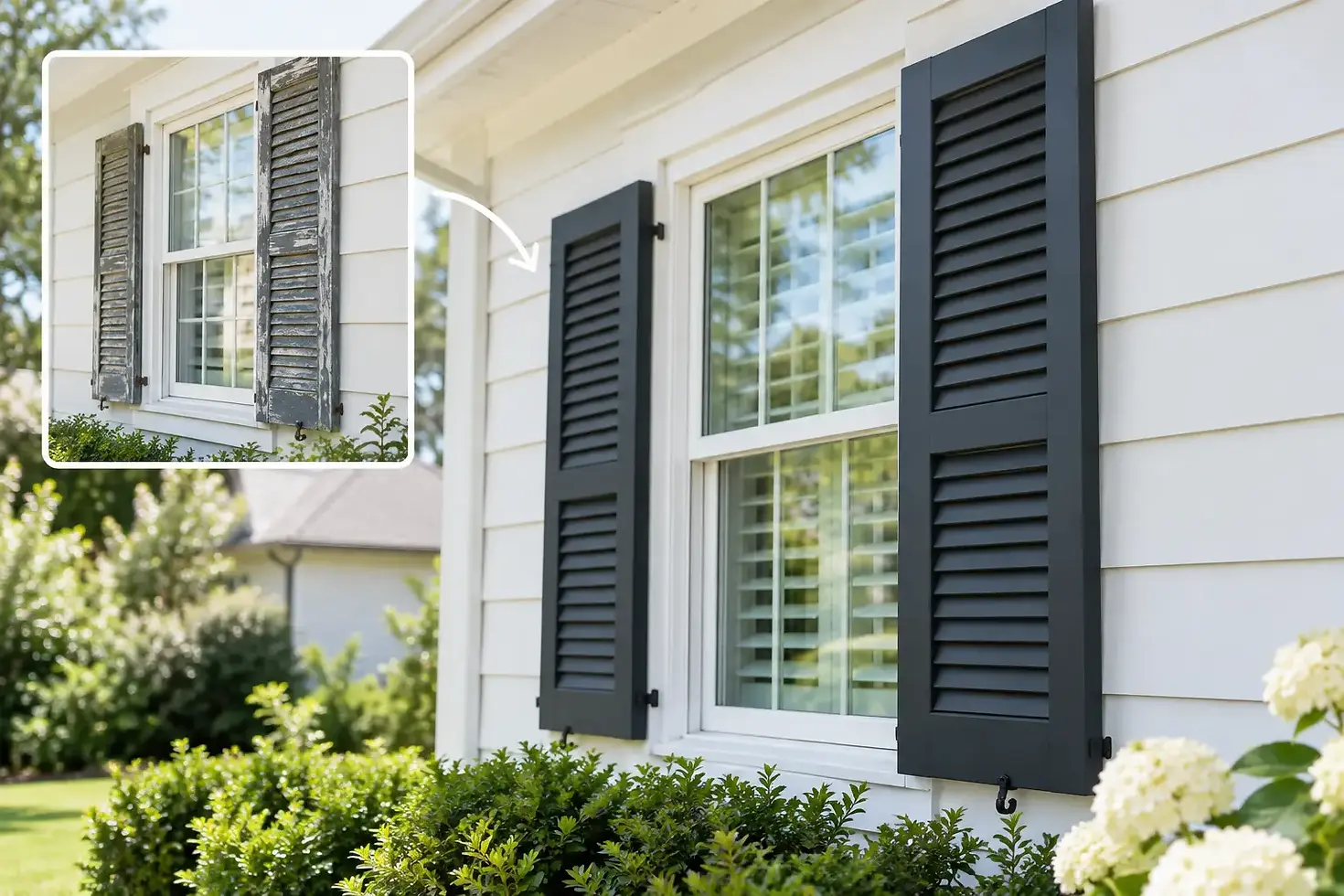
A Home Shutter Transformation That Lasts

A home shutter transformation is rarely about changing a window alone. It is about what happens when a room finally feels balanced: daylight is softened rather than blocked, privacy is there when you need it, and the window becomes a considered part of the décor. For homes across the North East, made-to-measure shutters offer that change without making a room feel fussy or overdesigned.
The strongest results come from treating shutters as a permanent interior feature, not a quick finishing touch. Their clean lines can bring order to an awkward bay, add warmth and structure to a bedroom, or give a kitchen window a smart, practical finish that stands up to daily life.
What a Home Shutter Transformation Can Change
The visual difference is often immediate. Windows are natural focal points, particularly in period properties with large bays, deep reveals or distinctive shapes. A correctly fitted shutter follows those proportions precisely, giving the room a neater, more intentional appearance.
Yet the real value is felt in everyday moments. You can tilt the louvres to welcome daylight while reducing direct glare, close them for privacy in the evening, or open the panels wide when you want an unobstructed view. This flexibility is especially useful in front-facing lounges, bedrooms overlooking neighbouring properties and ground-floor rooms where privacy can otherwise dictate how the window is used.
Shutters also bring a sense of consistency to a home. When several rooms are being updated, choosing a complementary shutter style can connect the scheme without forcing every room to look identical. A crisp white finish may suit a light, modern kitchen, while a carefully selected neutral can soften a traditional sitting room. The right choice depends on the room, its natural light and the character of the property.
Start With the Way You Use Each Room
There is no single shutter design that works best everywhere. A successful transformation begins with the practical demands of the room rather than a photograph or passing trend.
Living rooms and bay windows
Bay windows deserve careful attention because they are so visible and rarely straightforward. Each section needs to be measured accurately so that the finished shutters sit neatly within the angles of the bay. The result can make a generous window feel even more architectural, while retaining the ability to adjust light throughout the day.
For a room that faces the street, full-height shutters are often a popular choice. They provide coverage when required and a clean, elegant look from both inside and outside. Tier-on-tier designs can be a better fit where flexibility matters most, allowing the top and bottom panels to operate independently. You might keep the lower section closed for privacy while opening the top to bring in daylight.
Bedrooms that feel calmer after dark
Bedrooms benefit from better control over both privacy and morning light. Full-height shutters create a composed, uncluttered finish and can help the room feel more settled at night. For nurseries, guest rooms and bedrooms facing early sunlight, a tailored design makes it easier to create a comfortable environment without compromising the look of the space.
It is worth being realistic about expectations. Shutters can significantly reduce light, but small amounts may still appear around the frame or louvre edges depending on the design and the window itself. A professional survey helps establish the best arrangement for the level of light control you want.
Kitchens and bathrooms built for daily life
These rooms need materials that look smart but also cope with moisture, splashes and regular cleaning. Durable PVC shutters are a practical option for kitchens, bathrooms and utility areas. They offer the crisp, tailored appearance associated with shutters while being well suited to spaces where humidity is part of everyday life.
A kitchen window above a sink, for example, needs to work hard. The shutter must be easy to wipe down, fit around the window accurately and allow light into a busy working space. Selecting the right material is not a compromise on style. It is how a good-looking installation continues to look good years later.
Why Made-to-Measure Fitting Makes the Difference
The gap between an acceptable result and a striking home shutter transformation usually comes down to proportion and precision. Windows are seldom identical, even within the same property. Older homes may have slightly uneven walls, unusual bay angles or frames that have shifted over time. Standard-sized solutions cannot account for these details in the same way a made-to-measure installation can.
A detailed survey considers the width, height and depth of each opening, along with handles, sills, inward-opening windows and any features that affect how the shutters will operate. It also gives you the chance to discuss panel layout, louvre size, colour and the finish you want to achieve before anything is made.
Professional fitting matters just as much. Panels should align cleanly, open smoothly and sit comfortably within the window space. When they do, the shutters feel like part of the home rather than an addition to it. This is where expert British craftsmanship and careful installation earn their value.
The North East Shutter Company takes this consultative approach from the first conversation through to fitting, helping homeowners choose a shutter solution that suits their windows, timetable and budget. British-made shutters with a rapid two-week delivery can make an upgrade feel achievable without rushing the decisions that shape the finished result.
Choosing Style Without Following a Formula
Timeless interiors tend to come from choices that suit the building and the people living in it. That may mean keeping the finish simple and bright in a compact room, or selecting a warmer tone to complement timber flooring and deeper wall colours. It may mean shutters throughout the home, or a single statement bay window as the starting point for a wider renovation.
Louvre size also affects the overall look. Wider louvres can create a more open, contemporary feel and allow a broader view when tilted. Smaller louvres can offer a more traditional appearance and may suit smaller windows or period details. Neither is automatically better. The scale of the room, the window proportions and how much privacy you need should guide the decision.
Panel configuration deserves the same thought. Full-height shutters give a simple, uninterrupted finish. Tier-on-tier styles offer more day-to-day control. Café-style shutters cover the lower part of the window, retaining privacy while leaving the upper glass open for light. Each creates a different effect, so it is useful to see the choice in relation to your own windows rather than trying to copy another property exactly.
Plan for Lasting Value, Not Just the Reveal
A well-planned shutter project should continue to work long after the installation day. Consider who uses the room, whether the window needs regular access, how much cleaning the material will need and whether future decorating plans could influence your colour choice. These details prevent a beautiful first impression from becoming an impractical decision later.
Maintenance is pleasantly straightforward. Regular light dusting and an occasional wipe with a soft, damp cloth will keep most interior shutters looking their best. PVC options are particularly convenient in high-use areas. Avoid harsh abrasives, and always use the panels and louvres as intended rather than forcing them beyond their natural movement.
Cost will depend on the number and size of windows, the chosen style, material and complexity of the fitting. A made-to-measure quotation is valuable because it reflects the real requirements of your property, rather than offering a headline figure that changes once the details are known. For many homeowners, that clarity is part of the confidence they want from a permanent home improvement.
The best place to begin is with the room that frustrates you most: the overlooked lounge, the bright bedroom, the dated bay or the kitchen window that never quite looks finished. With accurate advice, carefully made shutters and fitting that respects the character of your home, that one change can set a more thoughtful standard for every room that follows.


Comments